Expert Roofer Providing Excellent Roofing Solutions
Enlisting a professional roofer represents a strategic decision for residents pursuing quality roofing solutions. These experts ensure adherence with area construction standards but also provide access to high-end materials. Their skill to identify and address potential issues ahead of time can save substantial costs and time. Understanding the multiple roof choices offered and the perks can strengthen this process. What factors should property owners consider when selecting the right professional for their needs?
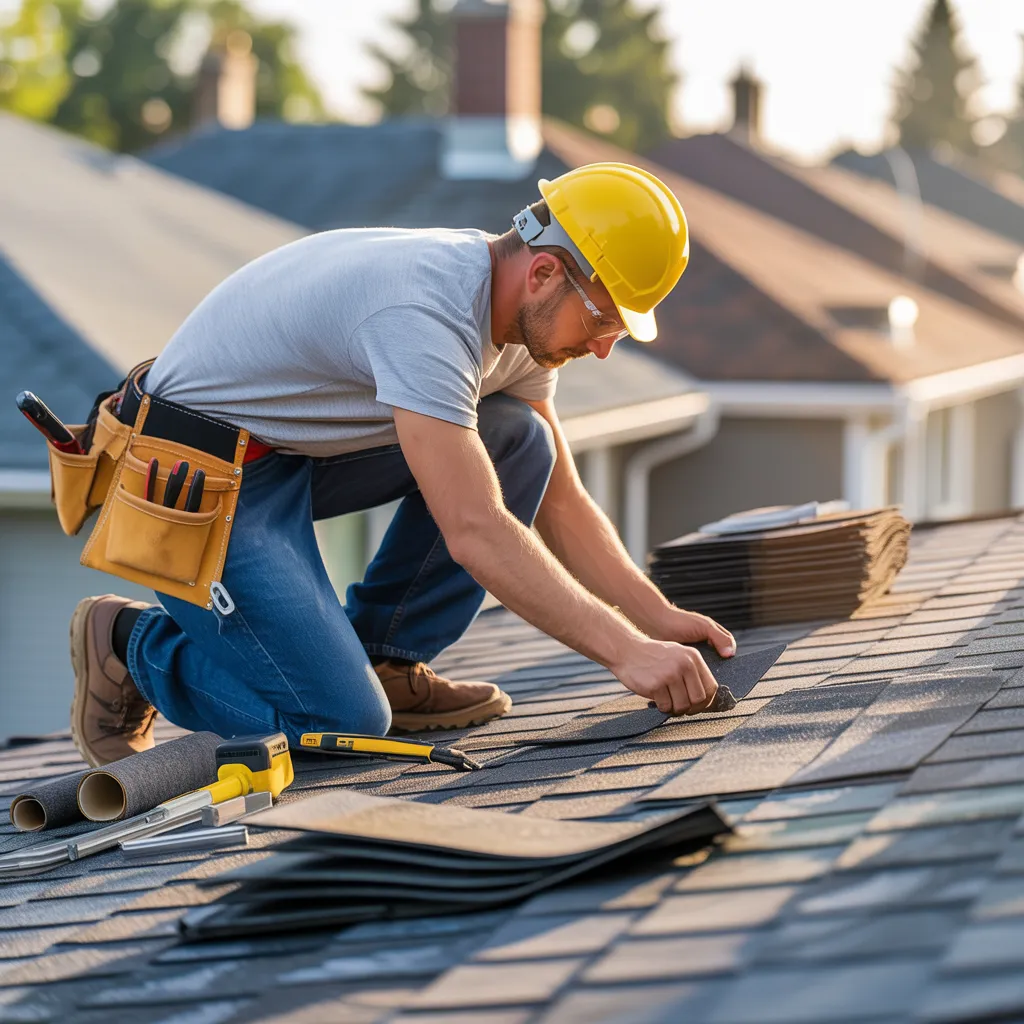
Why You Should Employ a Expert Roofer
When deliberating a roof installation, enlisting a professional roofer guarantees both quality and safety. Skilled roofing professionals possess the necessary expertise and proficiency to handle multiple roofing challenges effectively. Their background permits them to recognize possible complications before they escalate, ensuring enduring durability. Additionally, they are proficient in municipal construction codes and policies, which minimizes the threat of statutory issues.
Also, professional roof technicians have access to high-quality materials that may not be accessible to the typical homeowner, enhancing the overall effectiveness of the roof structure. They also provide protective guarantees that can give peace of mind, safeguarding the investment made in the roofing project. Importantly, safety is essential; professional roofers are supplied with the right tools and safety gear to perform their work without risking injury. To wrap up, hiring a skilled roof expert is a sensible choice for achieving a reliable and secure roofing solution.
Your Guide to Top Roofing Materials and Their Benefits
Numerous roof types are accessible, each presenting separate strengths matching diverse requirements and preferences. Asphalt shingles are among the most popular due to their affordability, simple installation, and variety of colors. Metal roofing, famous for its resilience and tolerance of extreme weather, furthermore redirects heat, making it energy-efficient. Slate tiles deliver a timeless aesthetic and superior longevity, while clay tiles offer excellent insulation and can withstand harsh climates.
For those interested in sustainable options, rubber roof systems is becoming more popular; it mirrors the visual appeal of costly products and is made with recycled materials. Wood shakes give a natural, rustic feel but need more care. In conclusion, synthetic roofing materials blend the greatest aspects of time-tested options, delivering versatility and strength. Each choice brings different advantages, ensuring it's important for residents to evaluate their priorities and work with professionals when deciding on the ideal roof choice.
Frequent Roofing Troubles and How Professionals Fix Them
Standard roofing difficulties, such as leaks and water damage, can lead to significant structural problems if not addressed promptly. Additionally, missing or damaged shingles impair the roof's integrity and render the home to further risks. Professionals leverage various techniques to identify and resolve these issues, securing permanent safeguarding and tranquility for homeowners.
Leaks and Water Damage
Leaks and water damage impose pressing challenges for homeowners, regularly generating pricey renovations and structural risks. These situations commonly develop from a diverse array of sources, including worn components, poor fitting, or even harsh environmental conditions. Water leakage can affect insulation, enable mold proliferation, and undermine structural durability. Skilled roofers harness innovative methods to recognize and repair leaks proficiently. They complete comprehensive reviews to locate access this information critical weak points, employing tools such as moisture meters and infrared cameras. Once located, they execute exact remedies, which may include sealing, flashing replacement, or, in severe cases, partial roof replacement. By tackling leaks without delay, professionals aid homeowners prevent damage, delivering permanent protection and peace of mind.
Missing or Compromised Shingles
Roofing problems often appear through missing or damaged shingles, which can compromise a home's protective barrier. These defects leave the foundational framework to elements, possibly causing leaks and additional damage. Professionals generally conduct comprehensive evaluations to determine the severity of the problem. They might suggest replacing individual shingles or entire sections, depending on the intensity. Employing high-quality materials, skilled professionals ensure proper installation to avoid subsequent problems. Additionally, they evaluate the roof's overall condition to address any underlying problems, such as poor ventilation or structural deficiencies. Regular maintenance and prompt fixes are essential in preserving a roof's integrity, ultimately protecting the home against water intrusion and other environmental hazards.
Deciding on the Top Roofing Solution for Your Home
When deciding on the best roofing alternative for a home, it is vital to evaluate your specific roofing needs initially. Understanding the range of roofing materials available and their respective costs can greatly affect the selection process. Financial planning also are important in guaranteeing that the chosen solution meets both practical and visual requirements.
Evaluating Your Roofing Requirements
What is the best way to select the most appropriate roofing choice for your home? Assessing roofing requirements starts by reviewing the home’s architectural style and the surrounding climate. Homeowners should take into account factors such as energy efficiency, durability, and maintenance needs. A comprehensive inspection of the existing roof can spot potential problems that could influence the choice of materials. Furthermore, financial limits play a significant role; understanding the long-term expenses versus the initial expenditure is critical. Consulting with a licensed professional can provide valuable insights and suggestions tailored to unique needs. Ultimately, the choice should weigh visual choices with practical requirements, ensuring the selected roofing option enhances the home’s value while offering durable coverage.
Material Types Breakdown
Pinpointing the ideal roofing materials constitutes a important step of the roof installation undertaking. Homeowners ought to analyze diverse selections, all possessing individual strengths and weaknesses. Asphalt shingles enjoy popularity for their reasonable cost and straightforward placement, meanwhile metal roofing gives strength and energy performance. Clay and concrete tiles render a elegant, solid option, especially fitting for warm climates. Wood shakes present a natural allure yet require extra upkeep. Synthetic materials, such as rubber or plastic, emulate age-old styles while affording extended lifespan. Plus, green considerations might motivate certain homeowners to pursue environmentally friendly options such as green roofs or secondhand materials. Fundamentally, determining the finest roofing material is contingent upon the home's appearance, climate, and individual taste.
Budget Factors Explained
When budgeting for a roofing project, it generally requires attentive review of multiple factors to confirm that homeowners opt for the most suitable option for their needs. Firstly, the selection of materials greatly impacts both the initial costs and the durability over time. Asphalt shingles are often economical, whereas metal or tile choices might provide longer lifespan but come with a steeper cost. Moreover, labor charges can vary according to the roofing contractor’s skill and the complexity of the project. Homeowners should also consider possible hidden costs like structural repairs or permits. Lastly, weighing long-term savings through energy efficiency and warranties assists in deciding wisely upfront investment against future advantages.
Expectations for the Roofing Work
Becoming familiar with the roof installation process can greatly enhance a property owner's satisfaction during a roofing project. Initially, homeowners should anticipate a detailed inspection of the current roof structure to determine its condition and the needed fixes or new installations. Following the assessment, a detailed estimate will outline the scope of work, products, and duration.
As the project begins, homeowners can anticipate an orderly arrangement with safeguarding protocols in place to safeguard their property. The roofing crew will take away old materials, evaluate the underlying structure, and place new roofing systems according to industry standards. Regular communication is essential, as homeowners should expect progress notifications on advancement and any unforeseen issues.
To wrap up, the initiative ends with a thorough inspection to guarantee craftsmanship and adherence to specifications. Homeowners should also receive preventative care guidance to prolong the life of their recently installed roof, underlining the value of learning the entire roof installation process.
Why Consistent Roof Inspections Are Essential
Although many homeowners may disregard roof maintenance, regular check-ups are important for maintaining the condition and lifespan of a roof. These assessments help spot minor issues before they turn into costly maintenance. By catching issues like leaks, loose shingles, or moss growth early, homeowners can save both time and money.
Moreover, regular check-ups guarantee that the roof follows local construction requirements, which can avoid future issues during property transactions. Seasonal changes can strain roofing materials, making it necessary to track wear and tear.
In addition, a well-maintained roof amplifies the overall visual appeal of a home and strengthens its market value. Investing in regular check-ups not only upholds the structural soundness of the property but also provides peace of mind for homeowners. Ultimately, stressing roof inspections is a proactive approach to home maintenance that offers long-term benefits in the long run.
Searching for and Hiring a Professional Roofer in Your Region
By understanding the weight of routine roof check-ups, homeowners commonly engage capable technicians for maintenance and repairs. Sourcing a qualified roofer in their area can feel difficult; however, a few fundamental tactics can simplify the process.
Initially, house owners should request recommendations from buddies, family members, or neighbors who have recently completed roofing work done. Online reviews and ratings on websites like Google and Yelp can also furnish useful information into a roofer's credibility.
After a list of potential candidates is put together, property owners should confirm qualifications, encompassing licenses and insurance. Getting multiple quotes enables them to assess pricing and offerings.
Moreover, inquiring about protection plans and promises can help guarantee long-lasting results. By adhering to these guidelines, property owners can confidently engage a skilled roofing contractor who meets their particular requirements, guaranteeing their roofs stay in optimal shape for years to come.
Frequently Asked Questions
What Requirements Must I Discover in a Experienced Roofer?
Should you be hiring a professional roofer, highlight skills such as valid licensing, insurance coverage, extensive experience, positive customer reviews, and adherence to industry standards. These components guarantee reliable workmanship and shielding from potential liabilities.
What represents the Duration for a Common Roofing Project to Be Completed?
A typical roofing project generally takes between one to three days depending on the size and complexity of the roof, weather conditions, and the team's productivity. Larger or more complex roofs may require extra days.
Do Roofing Warranties Transfer if I Sell My Home?
Roofing guarantees are often transferable, but particular requirements apply. Homeowners should review the guarantee paperwork for details on transferability, as some producers demand notification and may have time limits for the transfer procedure.
What Should I Do if I Observe Roof Damage After a Storm?
If roof injury is suspected after a storm, the homeowner should inspect the roof for visible issues, log any damage, and consult a professional for an assessment to determine essential maintenance and prevent further difficulties.
What Can I Do to Keep My Roof Between Professional Inspections?
Routinely inspect the roof for debris, look for damaged shingles, and clear gutters to prevent water buildup. Address small issues quickly and keep an eye out for signs of leaks or wear between professional inspections.